By Jacqui Parshall, Founder & Leadership Navigator
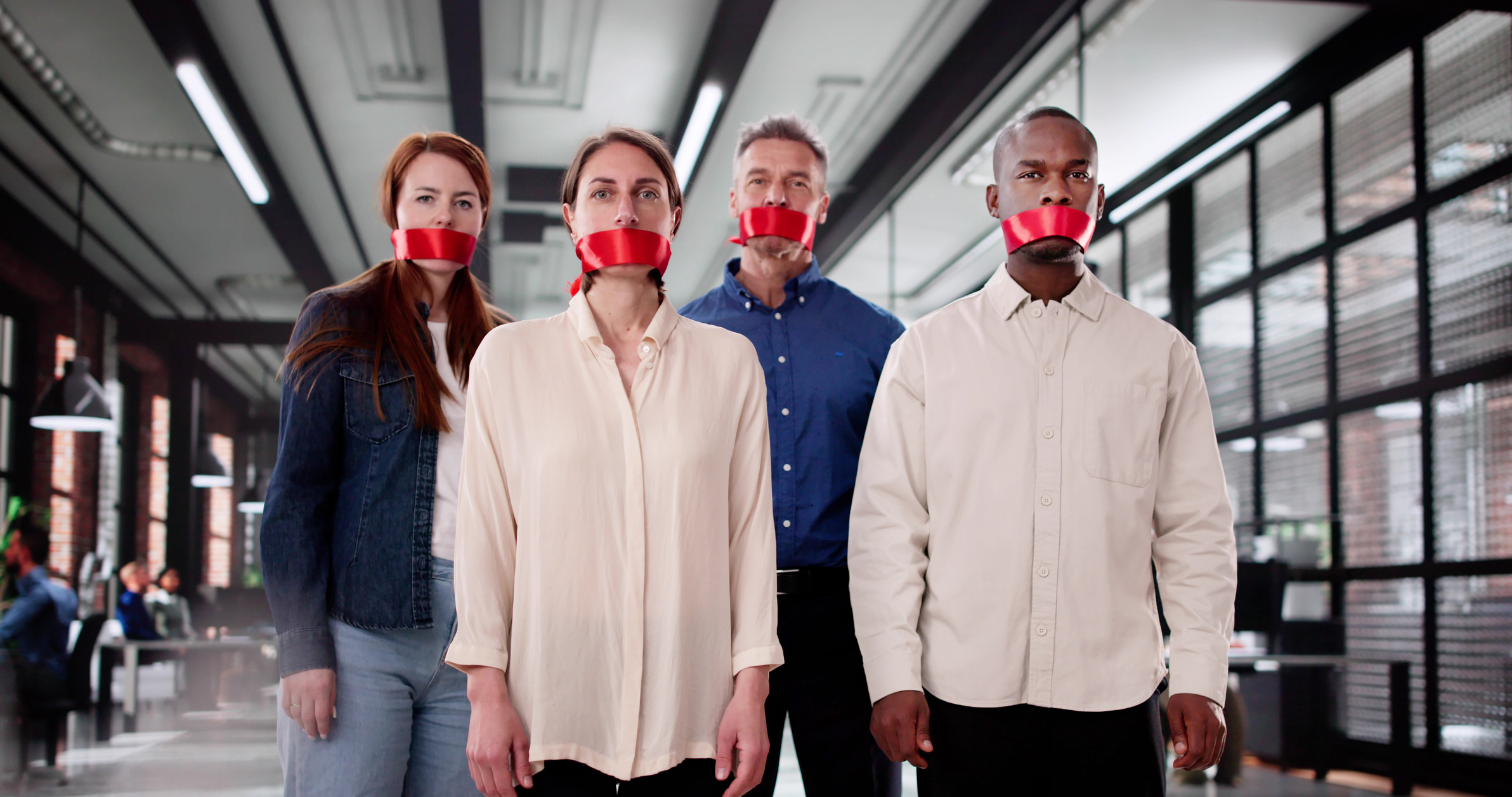
Most leadership teams don’t underperform because they lack talent. They underperform because of what never gets said out loud.
The hesitation before someone challenges an idea. The issue everyone quietly knows about but no one names. The expectation that was never actually made clear. The meeting where everyone nods and three different interpretations walk out the door.
For a CEO or HR leader, this is the risk that’s hardest to manage: the one that never shows up on a dashboard.
Agreement isn’t the same as alignment
In a fast-moving organisation, silence is easy to mistake for consensus. People hold back for practical reasons – they don’t want to challenge a senior leader, they’ve learned that raising hard issues goes nowhere, or they’re simply protecting a relationship.
Left unaddressed, small hesitations calcify into culture. Decisions slow down. Accountability blurs. Trust quietly erodes. And the conversations that matter most stop happening at all, right as the business needs them most.
Your team is communicating even when no one’s speaking
Leadership isn’t just what’s said in the room. It’s tone, attention, energy, and whether what a leader says matches what they actually do.
A CEO might say “challenge me” while unconsciously shutting down dissent. An HR leader might champion accountability while quietly avoiding a difficult conversation with a senior stakeholder. People notice the gap — even when no one names it.
Pressure is a diagnostic tool
Trust and accountability matter every day, but they become impossible to hide when pressure rises. A tight deadline, a restructure, a change program under scrutiny.
That’s when the real questions surface:
Do people raise problems honestly, or manage them upward?
- Can colleagues challenge each other constructively or just politely agree?
- Is accountability genuinely owned, or does the team wait for direction?
These are hard behaviours to see in a boardroom, because experienced professionals are skilled at describing what they intend to do. Experiential development shows you what they actually do.
Making the invisible visible
At Chigi Leadership, we work with horses because they respond only to what’s actually happening in the moment – not job titles, hierarchy, or a polished answer. They respond to a person’s intention, energy, and congruence between what’s said and what’s done.

That immediate, unbiased feedback surfaces dynamics that are almost impossible to access through a workshop or an offsite agenda. For a leadership team, it opens conversations that traditional development rarely reaches and translates directly back into sharper communication, clearer accountability, and more intentional leadership at work.
Because sometimes the biggest lever for a capable team isn’t a new strategy. It’s finally surfacing what’s already been shaping performance from the background.
What isn’t your team saying?
If your team is talented but something still feels stuck, the answer may not be more strategy; it may be underneath it.
Explore Corporate Team Leadership Development →